ADD DISCOUNT COUPON
LEAVE A MESSAGE TO OUR TEAM
Your feedback helps us to improve, thank you for enriching us!



Choosing a perfume should not be an impossible mission. If you've ever felt lost among notes, ingredients and names that are impossible to pronounce, the key is to understand the olfactory families. This system helps you identify which style of perfume suits you and why certain scents grab you more than others.
In this article we explain what are the olfactory families, How perfumes are classified and, most importantly, how to choose your ideal perfume from them.
Las familias olfativas son una manera de clasificar los perfumes según su olor predominante. Se trata de una herramienta que sirve para ordenar y entender la enorme diversidad de familias de perfumes existentes.
This classification is not random or purely sensory: it is based on analysis of raw materials, formula structure and olfactory evolution. Just as in music there are genres and sub-genres, so in perfumery there are families and subfamilies.
There are different systems, but the most widespread is that of the Société Française des Parfumeurs, which divides perfumes into 7 major olfactory families:
Each of these can have subfamilies (aldehydic floral, spicy oriental, aromatic citrus...) that further refine your search.
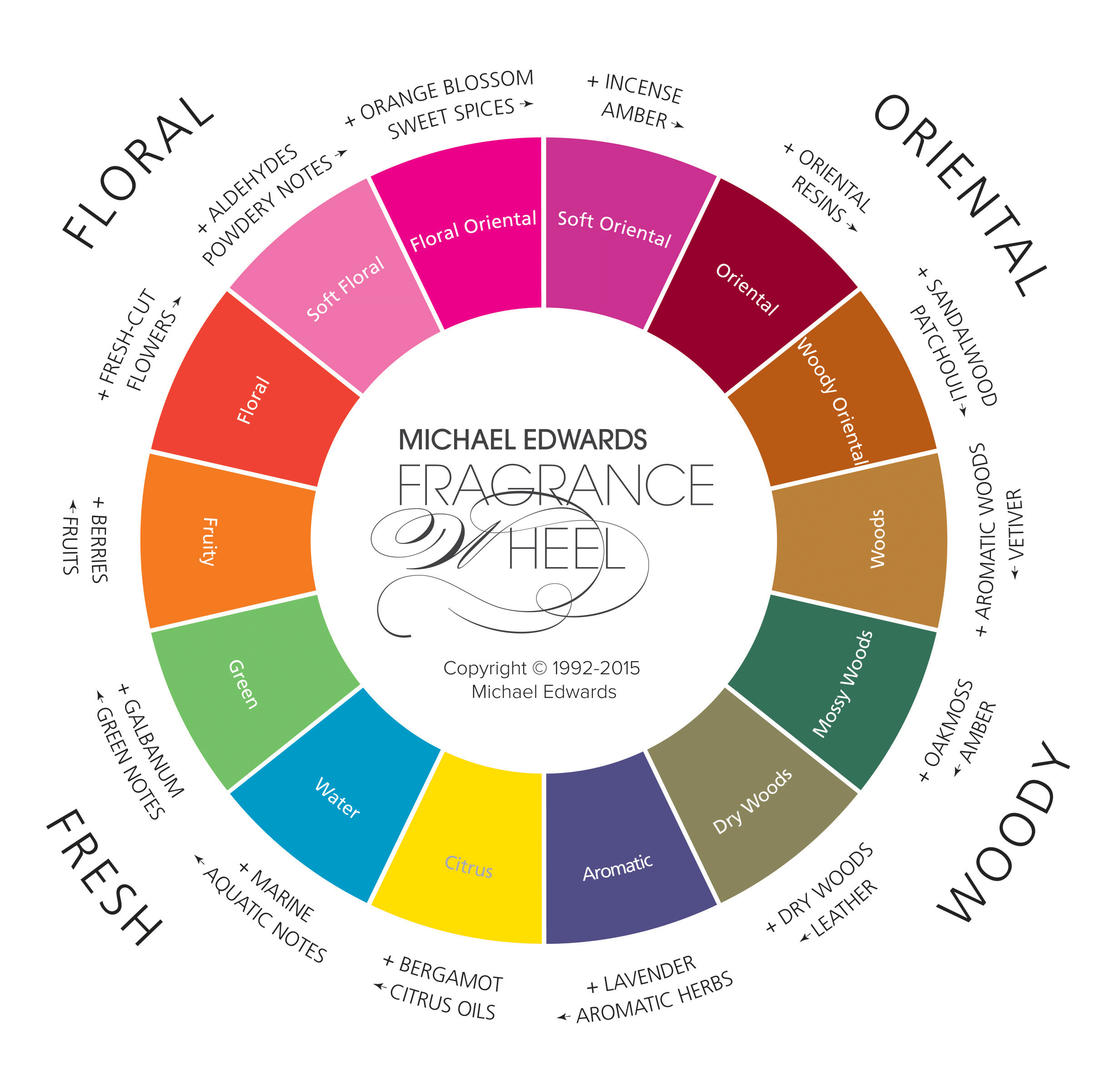
Simple: recognise yourself in a perfume style. Think back: What perfumes have you worn and loved, are they short-lived or saturated, are you looking for something fresh or something that leaves a trail?
Here is a practical guide:
Knowing what scent families are is the first step to choosing your perfume with confidence. It's not just about “what smells good”, it's about understanding your olfactory profile and exploring what really suits you.
Would you like us to help you discover your olfactory family?
Book a Sniffari with us or get your personalised sample pack. Your new perfume is closer than you think.

