ADD DISCOUNT COUPON
LEAVE A MESSAGE TO OUR TEAM
Your feedback helps us to improve, thank you for enriching us!


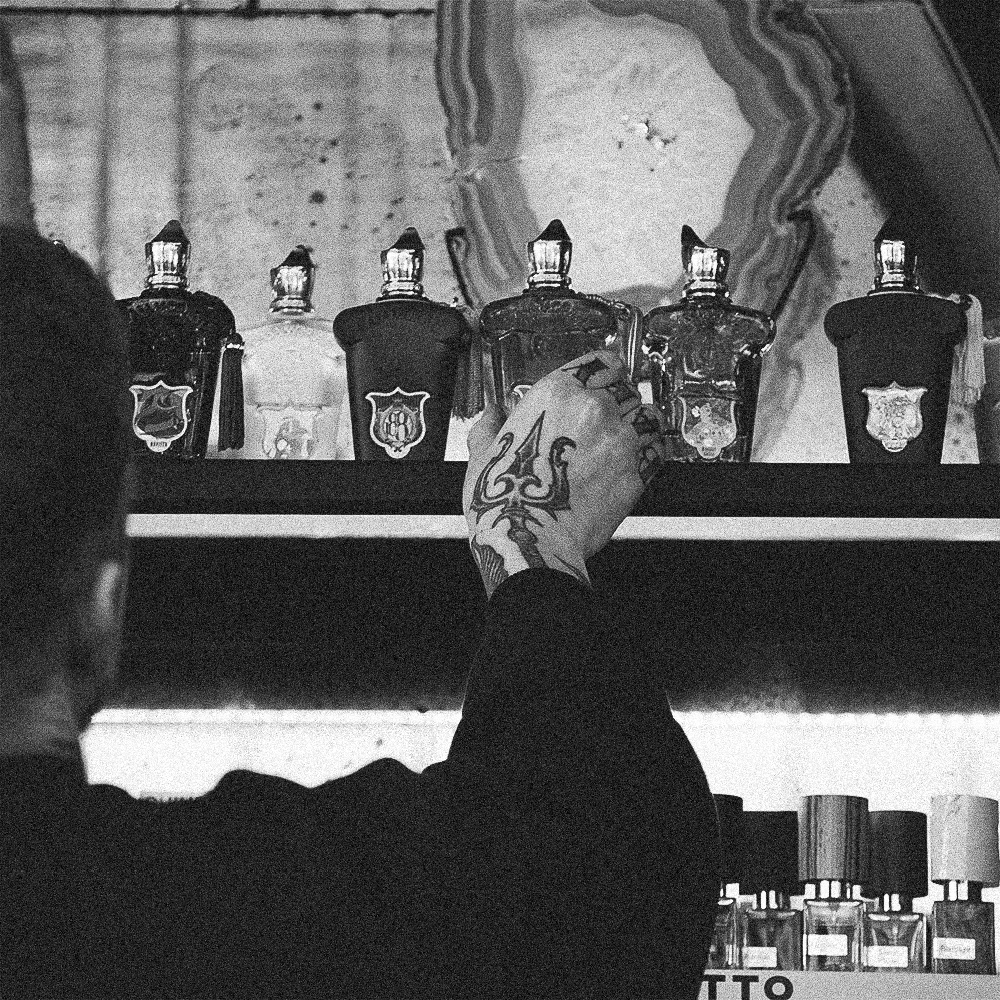
When people first enter a niche perfumery, something curious usually happens: they hardly recognise anything on the shelves. Neither the names, nor the bottles, nor the brands. And that, which at first might generate distrust, is precisely the sign that they are in the right place.
The difference between a niche perfume and a commercial one is not just price. It is about origin, intention, process and, ultimately, result. Here we explain what each of these means and why it matters.
A commercial perfume is one you find in department stores, duty-free shops and conventional multi-brand perfumeries. The brands that produce them — think of the big names in fashion, mass luxury or cosmetic groups — have to respond to a logic of volume: selling millions of units in very different markets, with very different tastes.
That has a direct consequence for the formula. Commercial perfumes are designed to appeal to as many people as possible, which usually means safer, more predictable formulas with raw materials tailored to mass-production budgets. That doesn't mean they're bad. It means they have a different objective.
A niche perfume —also called artisanal perfume— is one that is born with a different logic. Niche houses do not answer to market trends or the marketing departments of large conglomerates: they answer to an artistic vision, an obsession with ingredients or the desire to tell a story through scent that cannot be told in any other way.
Brands like Meo Fusciuni or Les Indemodables work with perfumers who have real freedom to create without formulaic restrictions. The result are fragrances that can be unsettling, that might not appeal at first, but when they connect with you they do so in a way that no mass-market perfume can ever match.
This is where the distinction becomes more tangible. Niche perfumes have access—and the willingness to use—raw materials that the big brands cannot afford due to cost or rarity. Absolute Grasse rose, authentic oud, iris grown in Florence, Laotian benzoin, natural ambergris. These are expensive, scarce ingredients with a complexity that no synthetic substitute can fully replicate.
That doesn't mean synthetics are bad. Escentric Molecules, for example, has built its entire identity around synthetic molecules, and the result is fascinating. But the difference with quality natural ingredients is noticeable: naturals have an evolution on the skin, a texture and a depth that you notice over time, not just in the first second.
Not always, but often yes. Niche perfumes are usually formulated with higher concentrations and base materials richer in natural fixatives: resins, woods, musks. That translates to a longevity that, in many cases, clearly outperforms that of commercial equivalents.
A good example is Odor 93 by Meo Fusciunia fragrance with a complex opening, a slow evolution and a base of resins and incense that can last over ten hours on the skin. It is not the kind of longevity you find in the perfumes that occupy airport shelves.
The price of a niche perfume is down to several factors: the actual cost of the ingredients, short production runs, the absence of large advertising budgets and the decision not to compromise the formula with anyone.
Is it worth it? That is a question that every person has to answer for themselves. What is certainly true is that niche perfumes rarely aim for the immediate impact of the first sniff: they are designed to be worn for hours and to reveal layers that weren't there at first. For anyone interested in that experience, the price ends up seeming reasonable.
One of the most common fears when approaching niche perfumery is spending a lot on something you end up disliking. It is a legitimate fear. The answer lies in trying before you buy: Papaduk offers the chance to discover fragrances before committing to the full bottle.
The other part of the answer is that niche perfumes are not difficult to wear because they are whimsical: they are different because they do something different. Portrait of a Lady, which can seem too intense on first sniff on paper, on skin it turns into something completely different. Most niche fragrances need that time to show themselves.
There is no single answer. If what you are looking for is a recognisable perfume, one that people associate with something they already know, with safe projection and a controlled price, designer perfumes fulfil that function perfectly. There is nothing wrong with that.
If what you are looking for is something truly your own, that no one else in the office wears, that evolves during the hours you wear it and that one day someone will indelibly associate with you, then niche perfumery starts to make a lot of sense.
The difference between niche and commercial is not a hierarchy. It's a choice of what you want the perfume you wear to do for you.

