ADD DISCOUNT COUPON
LEAVE A MESSAGE TO OUR TEAM
Your feedback helps us to improve, thank you for enriching us!


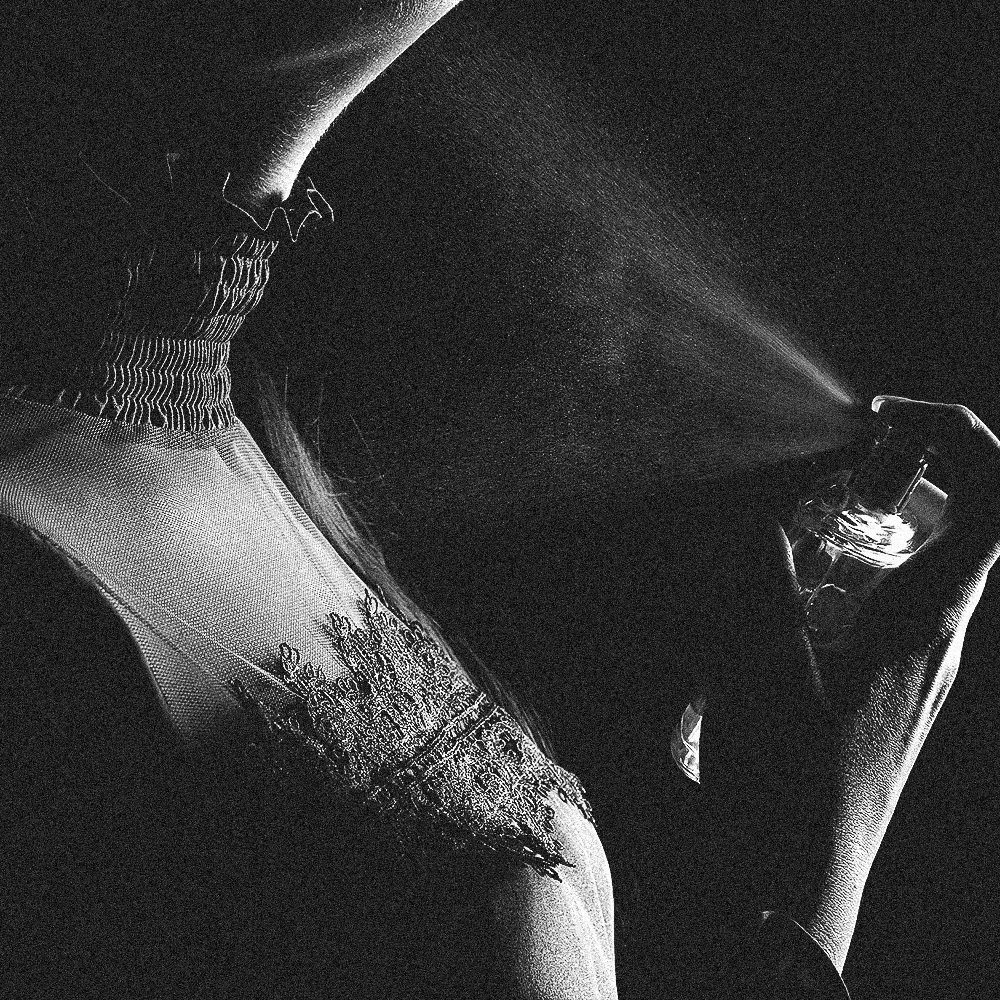
There are few quieter frustrations in the perfume world than applying something you love in the morning and not being able to smell a thing two hours later. Sometimes the problem lies with the perfume; sometimes it is down to how you apply it. The good news is that there are specific things you can do to make your favourite fragrance stay with you longer.
Dry skin doesn't hold perfume. It's as straightforward as that. The essential oils in a fragrance need something to cling to, and dehydrated skin doesn't offer them that surface. The simplest solution is to apply an unscented cream before your perfume: not a scented cream that competes with your fragrance, but a neutral moisturiser that acts as a base.
If you want to go a step further, apply pure petroleum jelly to your pulse points before your perfume. Vaseline traps the fragrance oils and releases them more slowly and for longer. It's the industry's oldest trick and remains one of the most effective.
Pulse points are the places on the body where the temperature is highest: neck, wrists, behind the ears, inside of the elbows, behind the knees. Heat accelerates the evaporation of top notes, which intensifies the initial projection. For longer longevity, places less exposed to cold and rubbing work best.
An area that few people consider is the hair. Hair retains scent extraordinarily well, and a light spray on the underside of your locks can make the fragrance linger for hours longer than it does on the skin. Mind you: alcohol-based perfumes can dry out the hair if overdone, so apply it sparingly or from a certain distance.
This is the most common mistake and it has a simple answer: rubbing breaks down the molecules of the top notes and speeds up their evaporation, causing the fragrance to lose both nuances and longevity at the same time. When you apply perfume to your wrists, leave it to settle. Do nothing. Your skin will already do the job of absorbing it on its own.
The same applies to the neck and any other area. Perfume doesn't need your help to spread: it spreads on its own with your body heat and the natural movement of your body.
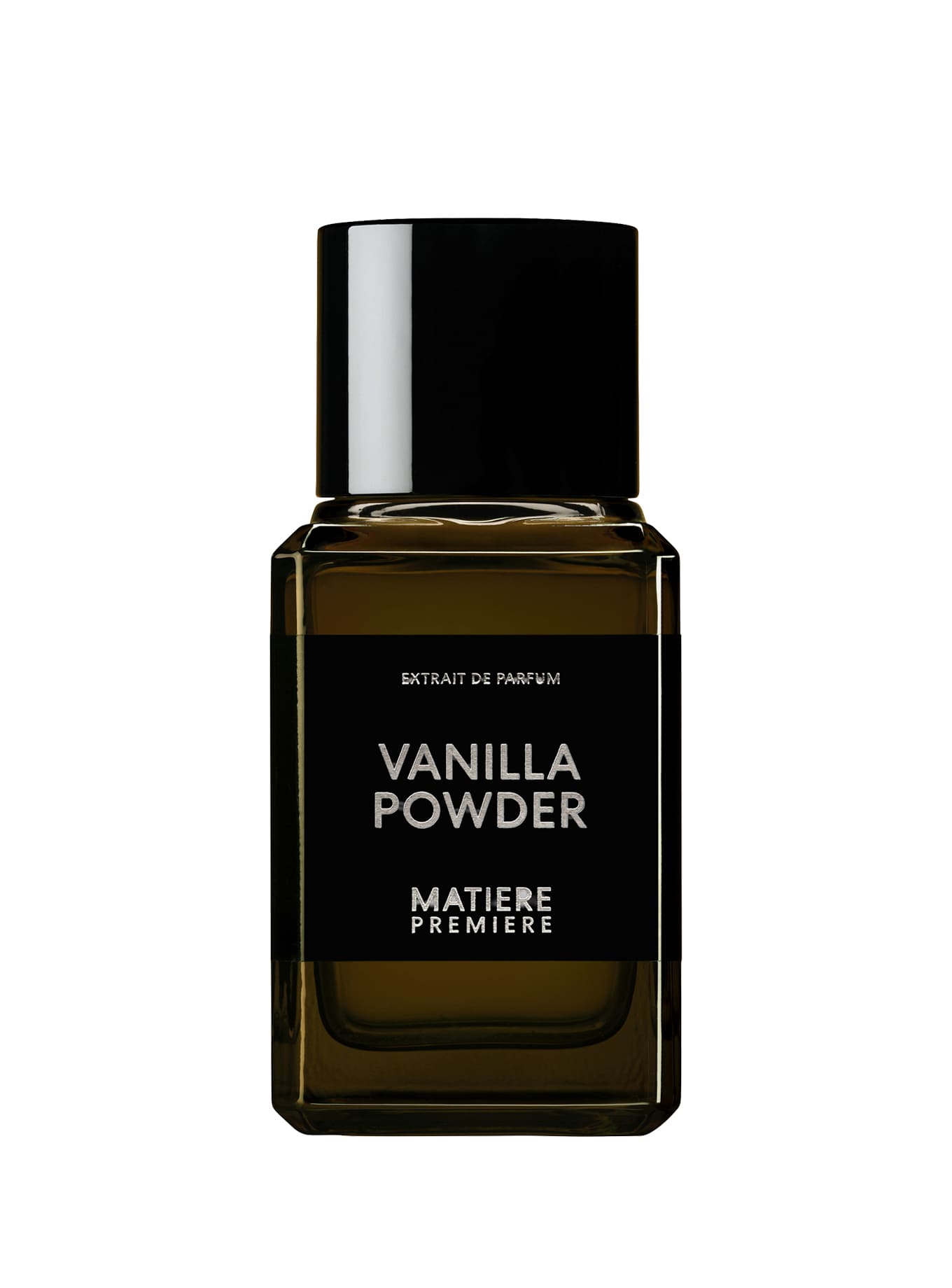
Not all perfumes are formulated with the same concentration of aromatic oils, and that directly impacts how long they last. A Extrait de parfum It has a concentration of between 20 and 40%, which means you need to use less to get it to last longer. An eau de toilette, with a concentration of 5 to 12%, may need to be reapplied throughout the day.
If you have a perfume you love but it doesn't last long enough on you, check if it exists in a higher concentration before writing it off. In many cases, the same fragrance in an extrait format has a completely different development on the skin and a longevity that can double or triple that of the eau de toilette.
The vanilla perfumes, oriental and woody ones tend to last longer than citrus or aquatic ones, regardless of the concentration, because their base materials —resins, wood, vanilla— have superior natural fixation. A Vanille Leather, for example, stays on the skin effortlessly and without tricks.
Heat, light and humidity are the three enemies of a perfume's longevity. A bottle exposed to a window or the heat of a bathroom can degrade in a matter of months: the oils oxidise, the alcohol evaporates in irregular ways and the fragrance loses its top notes first, leaving only the base notes.
The solution is simple: store your perfumes in a cool, dark place free from temperature fluctuations. A wardrobe away from the shower, a drawer or even the original box are better options than the bathroom shelf. If you have fragrances that you do not use frequently, consider storing them in the fridge: the cold slows down oxidation and prolongs the life of the liquid, although it is always advisable to let the bottle return to room temperature before applying.
All of this is useful, but there is one thing you cannot fully control: your skin. Everyone metabolises perfumes differently. Some skin types project a scent for hours with just a single application; others absorb any fragrance in a matter of minutes. If you belong to the second group, it is not a flaw: it is your biochemistry, and what you can do is choose fragrances with richer bases and apply them to well-moisturised skin.
The perfume you're wearing doesn't have to linger forever in the air: it has to stay on your skin. And when three hours after putting it on you lower your nose to your wrist and you're still smiling, that is exactly what is supposed to happen.