ADD DISCOUNT COUPON
LEAVE A MESSAGE TO OUR TEAM
Your feedback helps us to improve, thank you for enriching us!



In perfumery, an olfactory chord is like a musical chord: the perfect combination of notes that, together, create a new harmony. It's not just about mixing ingredients, it's about getting various raw materials to blend together to create a unique and balanced scent.
If you have ever smelled a perfume and thought “it smells like something I can't identify, but I love it”, you were probably smelling a chord.
Olfactory chords are the basis on which a fragrance is built. They serve to:
There are thousands of chords in perfumery, but some are so iconic that they are worth knowing.
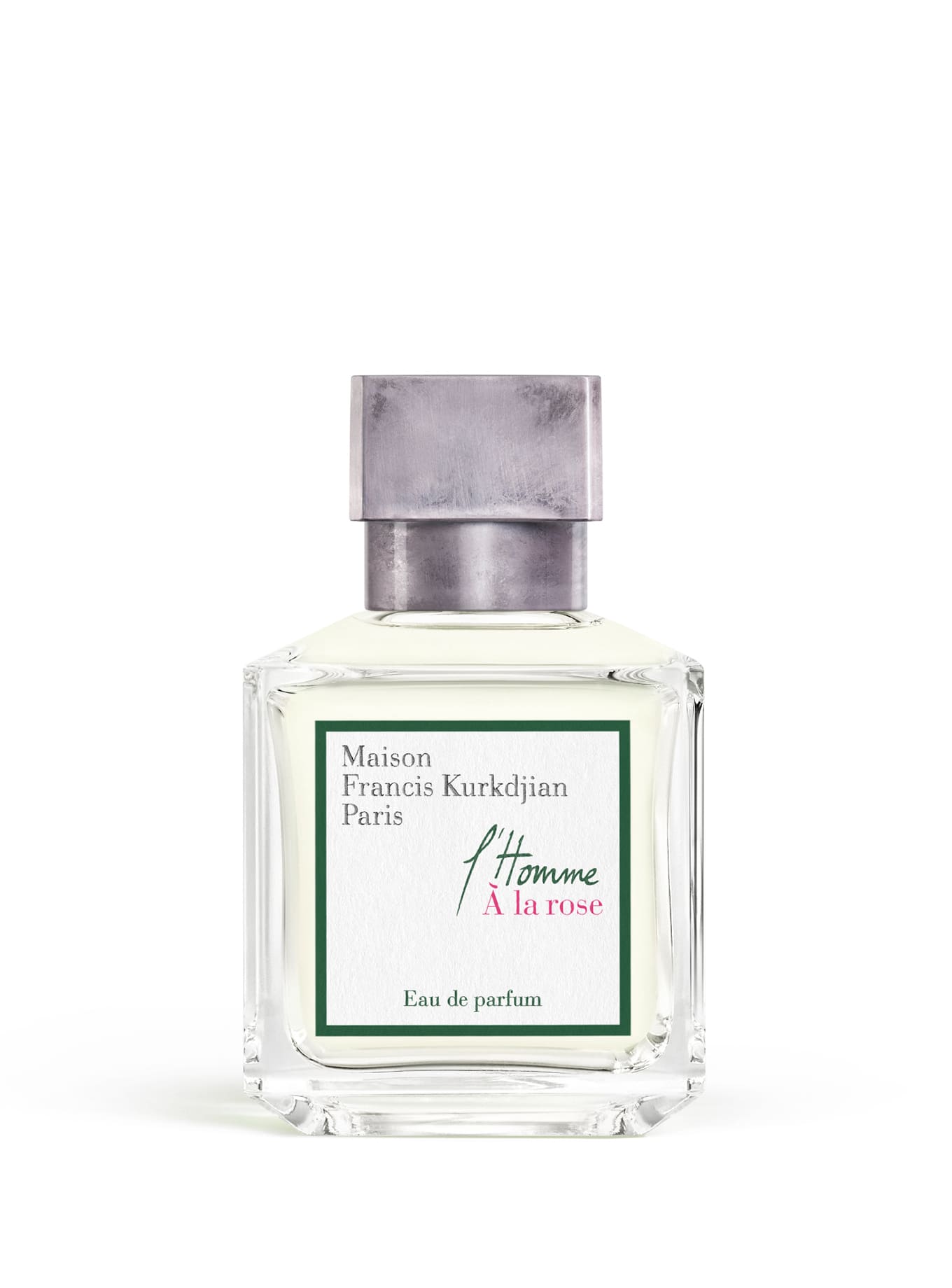
It is the most classic and timeless, associated with elegant and romantic perfumes. A la Rose by Maison Francis Kurkdjian is an exquisite example: damask and centifolia roses wrapped in fresh notes that capture the delicacy and brilliance of a freshly cut bouquet.
Deep, enveloping and full of character, it evokes the warmth of wood, resin and earth. B683 by Marc-Antoine Barrois combines noble woods with leather and spices, creating a sophisticated and warm trail that feels like a hug in the middle of winter.
Refreshing and sparkling, it is typical of fragrances for warm climates or energising moments. Ilio by Diptyque blends fig, bergamot and jasmine, conveying the light and freshness of a Mediterranean day by the sea.
Sweet and gourmand, reminiscent of desserts and culinary delights. Angels’ Share Paradis by Kilian combines cognac, vanilla and praline in a refined blend that envelops like a dessert served in a crystal glass.

Creating an olfactory chord is an art and a science. That is why perfumery students must learn:
The ultimate goal is for the chord to have a clear personality and to be able to be integrated in the olfactory pyramid of the perfume.
Like everything in perfumery, the ability to identify chords is trained:
In time, you will begin to recognise that the “smoky” touch is not just wood, but a chord made of vetiver and leather.
Olfactory chords are the invisible architecture that supports a fragrance. Without them, a perfume would be just a mix of notes without cohesion. Understanding them not only helps you better choose which perfume to wear, but allows you to enjoy each inhale more.
At Papaduk we believe that knowing these details completely transforms the way you perceive a fragrance. Because behind every spray, there is a chord waiting to be discovered.